Overview

The Comprehensive Economic Development Strategy for Northern Illinois (CEDS) is an economic development planning document with a goal to strengthen and diversify the regional economy over the next five years (2026-2030).

This plan keeps the region globally competitive and allows public and private agencies to better use limited local, state, and federal funds to improve the quality of life.

This webpage acts as a condensed, accessible version of the plan. The full plan can be found at the link above.

Get Involved!

We would be happy to talk about how you or your organization can help implement or promote the CEDS! You are also welcome to attend a quarterly Steering Committee Meeting, dates listed under the Key Dates heading.

Please contact the project lead, Isaac Guerrero, at iguerrero@r1planning.org for more information.


Background

Introduction to the Plan

The CEDS is a long-term economic development plan that covers Winnebago, Boone, and McHenry counties in northern Illinois. It lays out goals that steer the region toward economic growth and qualifies the region for federal funding through the Economic Development Administration (EDA). It is developed every five years and updated annually.

The CEDS brings public and private agencies together to address all aspects of the regional economy, including:

  • Economic resilience
  • Job creation
  • Infrastructure, particularly site readiness
  • Equitable growth

As the federally-designated Economic Development District, R1 is responsible for creating the plan and overseeing its implementation. R1 leans on county economic development organizations (EDOs), municipal governments, and workforce boards to drive plan implementation.

Economic Development Districts (EDDs) are required to write and oversee a long-range economic development plan, known as the Comprehensive Economic Development Strategy (CEDS). This qualifies the region for Economic Development Administration (EDA) funding.

The development of the CEDS must follow federal guidance as outlined in 13 CFR Part 303.

The plan lists specific activities that will create jobs, attract investment, and retain talent across the three-county region. These activities fall into the categories of infrastructure, workforce development, innovation, economic resilience, and quality of life.

It also provides a picture of the region's demographic, economic, and social conditions; and summarizes its strengths and challenges.

The CEDS guides decision-making for public and private agencies throughout the region. Even though many of the initiatives are behind-the-scenes, they are required before the public-facing work can happen (which is usually done by municipalities, Chambers of Commerce, and others).

Action items listed here will create jobs, attract new industries and investment, train a skilled workforce, and lay the infrastructure for it to be possible.

While R1 creates and updates the CEDS, it is not the only one involved.

The CEDS Steering Committee, composed of representatives from private, public, and nonprofit agencies, provides critical feedback to guide the plan's development and ongoing implementation. It must approve and adopt the plan upon its completion.

Local Economic Development Organizations, Chambers of Commerce, and elected leaders are key contributors, ensuring that the CEDS supports their core plans.

Extensive public engagement efforts, including open houses, workshops, and this website, allow the public to play a role in plan development and implementation.


Regional Assessment

Identified Themes

The regional assessment identified the most pressing needs and opportunities related to economic vitality. It was developed together with stakeholders and the public through a SWOT analysis, a common planning tool that looks at strengths, weaknesses, opportunities, and threats to get a full picture of what is possible and which resources are available.

The region's strong points and areas for growth are summarized below.

Chicago-Rockford International Airport - Its connectivity to transportation corridors, and proximity to major cities and cargo employers are advantages for workers and manufacturers.

Industry Clusters - Historically, the region has an above-average concentration of businesses in advanced manufacturing; transportation, distribution, and logistics; and food and agriculture.

Education Systems - High school career academies and community college programs provide exposure and training for a wide range of career opportunities.

Lack of Shovel-Ready Sites - Sites are available but have limited utility access.

Lack of Broadband - Slow or unaffordable internet hinders business growth, education, or access to government services and job searches.

Workforce Availability - Workforce quality is influenced by high school graduation rates, soft skills, and ability to retain a younger generation.

Regional Collaborations, Public-Private Partnerships - Public resources paired with private investment make a wider impact.

Priority Industrial Sites - These open areas along major interstates attract industrial development due to their strategic location.

Resilient Infrastructure - Transportation and utility networks should be modernized to withstand environmental events.

Housing - Limited availability can't keep up with anticipated demand for workers who are attracted to the region by new jobs.

Water - Quality and quantity may not be sufficient to serve a growing region.

Funding - Pursuing grants and accessing capital is especially challenging for small organizations.


The Building Blocks of a Healthy Economy

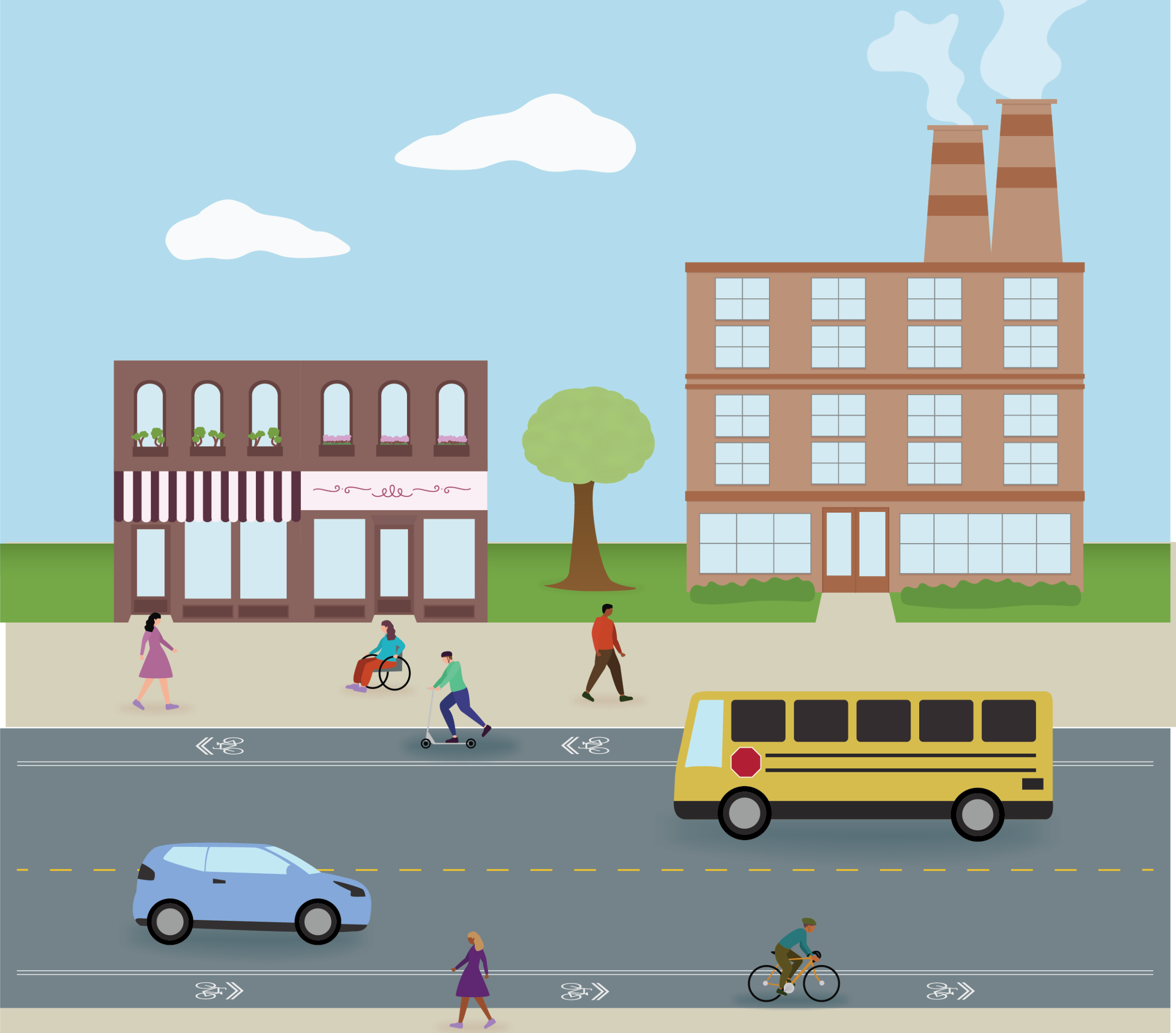
The foundation of economic development is made of workforce development, infrastructure, environmental sustainability, innovation, business development, and quality of place components. Every part of the CEDS analyzes or addresses at least one of these aspects, driving toward the ultimate goal of a prosperous, resilient, diverse, shared regional economy.

Click on the icons on the image below to learn about each component.

Graphic of a two-lane residential street with a bus and personal vehicle, bike lanes on both sides, people walking and biking, an apartment/small business building, a manufacturing building, and a blue sky with three clouds.

Goals & Strategies

Regional Vision

CEDS Goals & Strategies

What do we want the region to look like 5 years from now?

Goals listed in the CEDS build upon the vision above, and begin with the needs and opportunities identified by regional businessowners, government, non-profits, and social service organizations. They show where these stakeholders should focus their efforts when designing programs and seeking investments in economic development.

CEDS goals and strategies are listed below. You can also refer to the Implementation Matrix for more details on each of the strategies and their tactics.

  • Goal 1: Infrastructure

    Invest in infrastructure and land development to attract businesses

    • Strategy 1.1 Maintain, replace, or expand utility infrastructure
    • Strategy 1.2 Prioritize green/brownfield and key production area development
    • Strategy 1.3 Support a balanced multimodal transportation system
    • Strategy 1.4 Provide access to reliable high-speed internet
  • Goal 2: Workforce Development

    Cultivate a qualified workforce that helps the region prosper

    • Strategy 2.1 Align workforce development programs with employer needs
    • Strategy 2.2 Equip workers with skills and support for career growth
    • Strategy 2.3 Address worker needs at all life stages
    • Strategy 2.4 Expand services that reduce obstacles to employment
    • Strategy 2.5 Provide a range of housing choices
  • Goal 3: Innovation

    Support innovative solutions to accelerate business formations and expansions

    • Strategy 3.1 Advance the development of regional technology hubs
    • Strategy 3.2 Establish a vibrant innovation and entrepreneurial network
    • Strategy 3.3 Identify and invest in emerging technologies
    • Strategy 3.4 Provide resources to support small business growth
  • Goal 4: Economic Resilience

    Strengthen and diversify industries to increase long-term resilience

    • Strategy 4.1 Strengthen supply chains for greater global competition
    • Strategy 4.2 Diversify and supplement funding sources for public and private sectors
    • Strategy 4.3 Enhance the productivity and sustainability of the regional agriculture sector
  • Goal 5: Quality of Place

    Enhance quality of place and attractiveness to businesses, residents, workers, and visitors

    • Strategy 5.1 Support and promote regional arts, culture, and recreation
    • Strategy 5.2 Encourage community identity and belonging
    • Strategy 5.3 Address housing, environmental, infrastructure, educational issues to create livable communities
    • Strategy 5.4 Improve disaster preparedness and environmental protection
    • Strategy 5.5 Encourage regional pride and investment through positive messaging

Project Priority List

Implementing the Plan

The Project Priority List identifies projects that are essential to regional growth over the next 5 years. R1 will proactively pursue funding and steer planning toward these projects, while staying flexible to adapt to changing conditions, funding availability, and evolving regional priorities.

Projects were gathered through a targeted call for projects that align with the region's economic development priorities.They were then evaluated and ranked based on need, economic and environmental impact, and investment potential.

Projects fall into one of these categories:

  • Active Transportation
  • Bridges
  • Energy
  • Recreation
  • Roads
  • Vertical Infrastructure
  • Water & Sewer
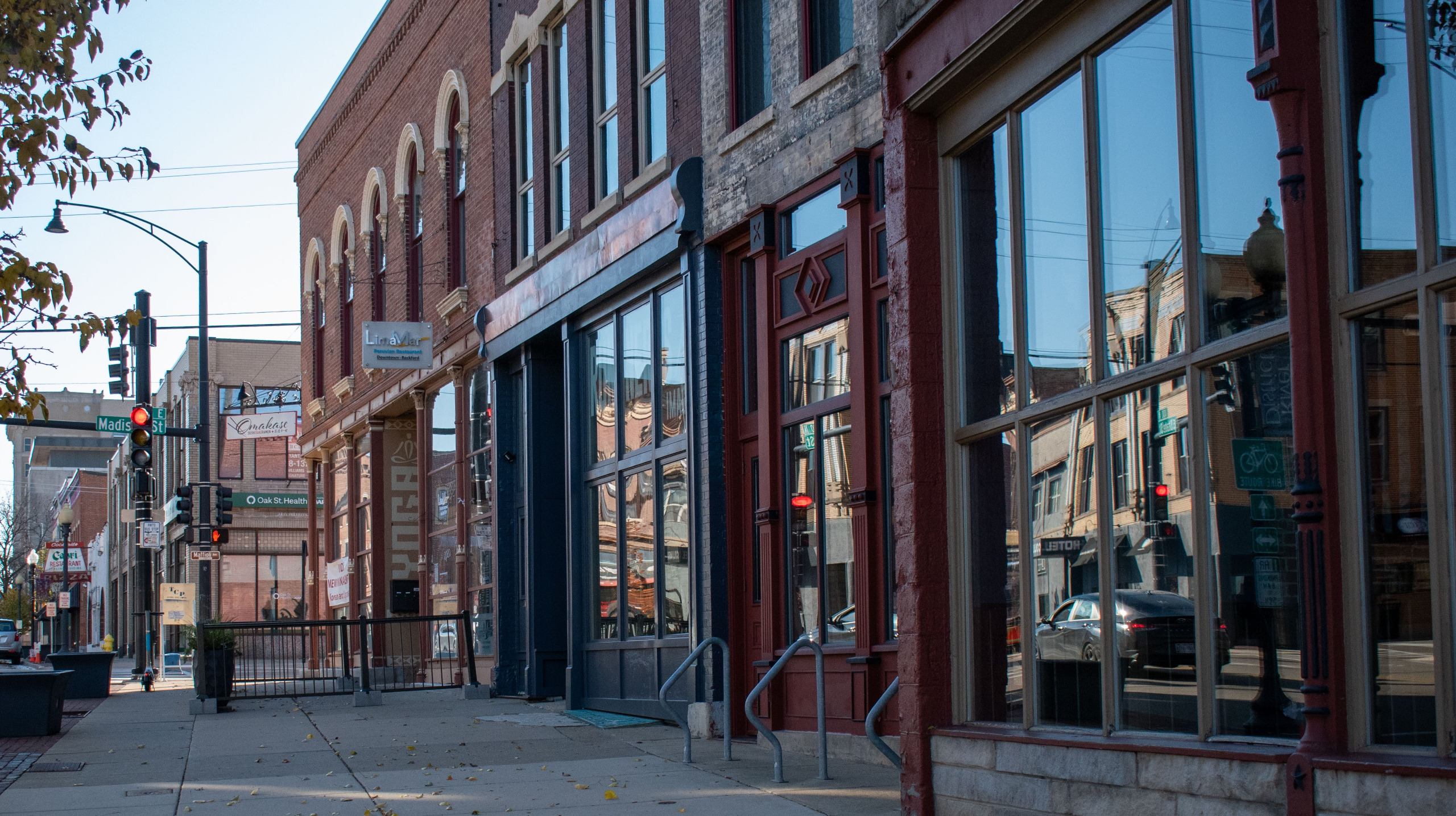
Image of urban sidewalk lined with brick historic storefronts